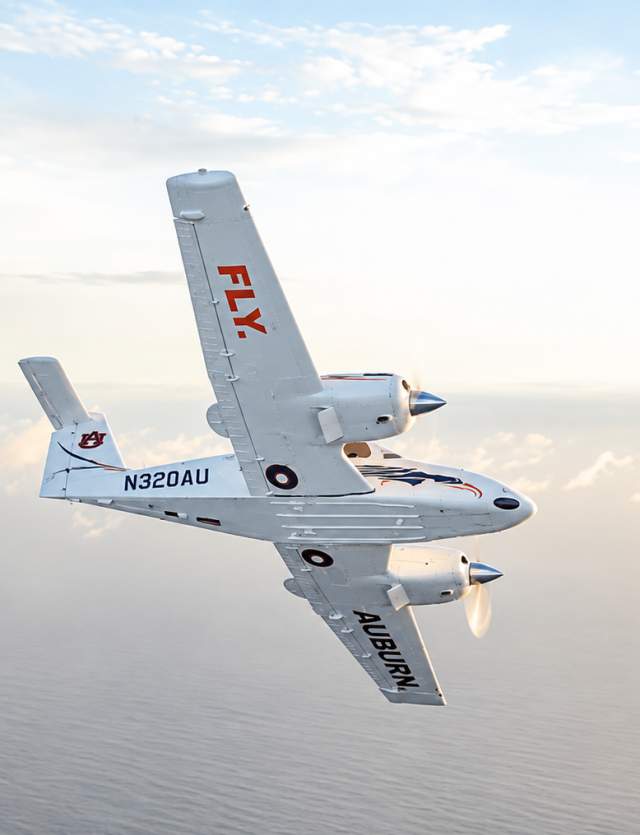
Auburn’s aviation story has been more than 80 years in the making. What began with aviation courses in the 1920s has grown into one of the nation’s longest continually operated university flight programs, preparing generations of students for careers in the skies.
Today, Auburn University’s School of Aviation offers programs in Professional Flight and Aviation Management and has built connections with some of the biggest names in the industry. Through career pathway programs with airlines including Delta, United, Southwest, JetBlue and Envoy, Auburn students have opportunities to turn their time in the classroom and cockpit into careers after graduation.
But long before Auburn students had pathways to major airlines, aviation in Auburn looked a lot different.
In 1930, local civic clubs in Auburn and Opelika came together around an ambitious idea: the community needed an airport. The Auburn and Opelika Lions Clubs, Kiwanis Clubs and Rotary Clubs joined the Opelika Commercial Club to form a stock company, selling shares for $50 each to help turn a stretch of Lee County land into a local airfield.
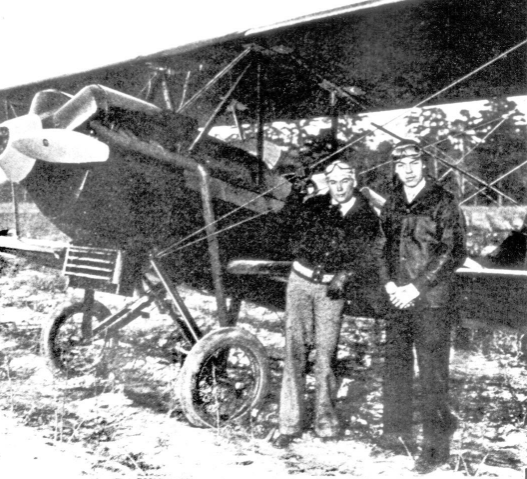
The first student plane at Auburn University
Less than a decade later, the airfield became part of something much bigger. In 1939, Alabama Polytechnic Institute (API), now Auburn University, purchased the airport and joined the federal Civilian Pilot Training Program. As the nation prepared for World War II, young men came to Auburn to learn to fly, training in the skies over Alabama before answering the call to serve their country.
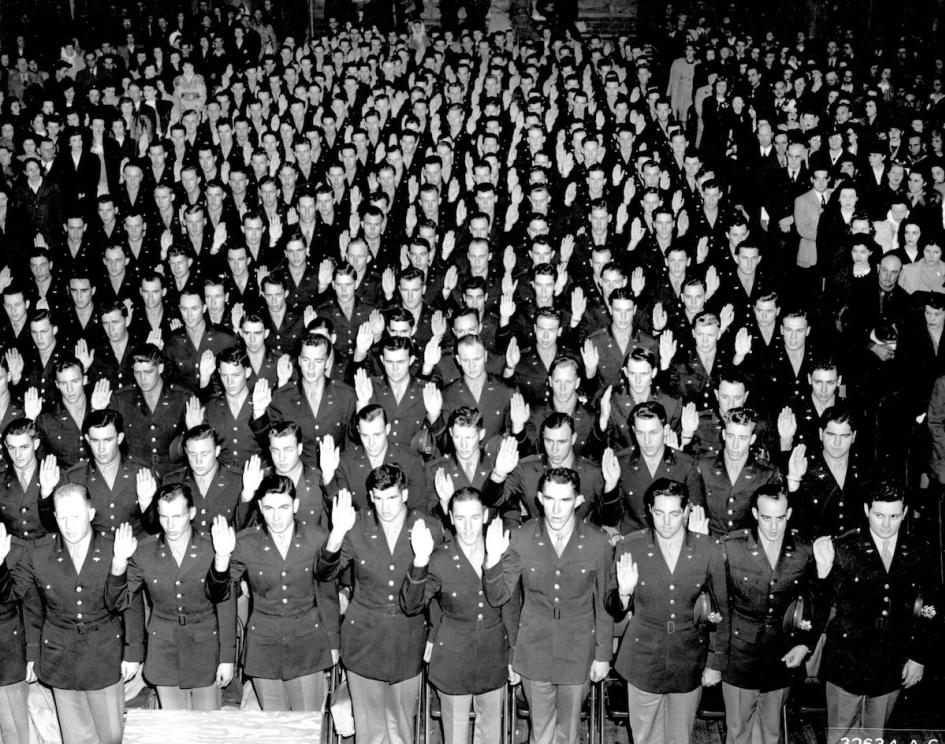
And when the war ended, Auburn kept flying.
While many wartime training programs across the country came to an end, Auburn continued its aviation program and retained the airport. That decision helped establish a tradition of flight education that would continue on the same site for generations, eventually growing into the Auburn University aviation program known today.
Over the decades, the grass airfield evolved alongside the university and the aviation industry. The airport gained new facilities, aircraft and technology, while Auburn expanded the education happening both in the classroom and in the cockpit. In 2010, a new 26,000-square-foot terminal opened at Auburn University Regional Airport, marking a far different era from the modest airfield established by local civic clubs 80 years earlier.
The technology continued to change, too. In 2016, Auburn became one of the first universities in the country authorized by the FAA to conduct unmanned aircraft systems flight training, adding drones to an aviation story that began with early airplanes and a community-built airfield.
More than eight decades after Auburn purchased that airfield, students are still learning to fly here on the Plains. What began on a small Lee County airfield has grown into one of the nation’s longest continually operated flight programs, with more than 5,000 Auburn Aviation alumni making their mark across the industry.
Today, Auburn University is an FAA-approved Part 141 pilot school with nationally accredited aviation degrees. For more than eight decades, Auburn aviators have taken to the skies, carrying with them a tradition of excellence and, of course, a little War Eagle spirit.